

In the modern era of digital art, technology has significantly transformed the way artists create, design, and share their work. Among the most notable innovations is the RGB Drawing Board, a digital tool that allows artists to use vibrant colors, precise strokes, and advanced features to enhance their creative process. While traditional drawing tools like pencils, pens, and paints have long been the foundation of artistic expression, RGB drawing boards offer a compelling alternative for both beginners and professional artists. This article explores the differences, advantages, and limitations of RGB drawing boards compared to traditional drawing tools, helping artists make informed decisions about their preferred mediums.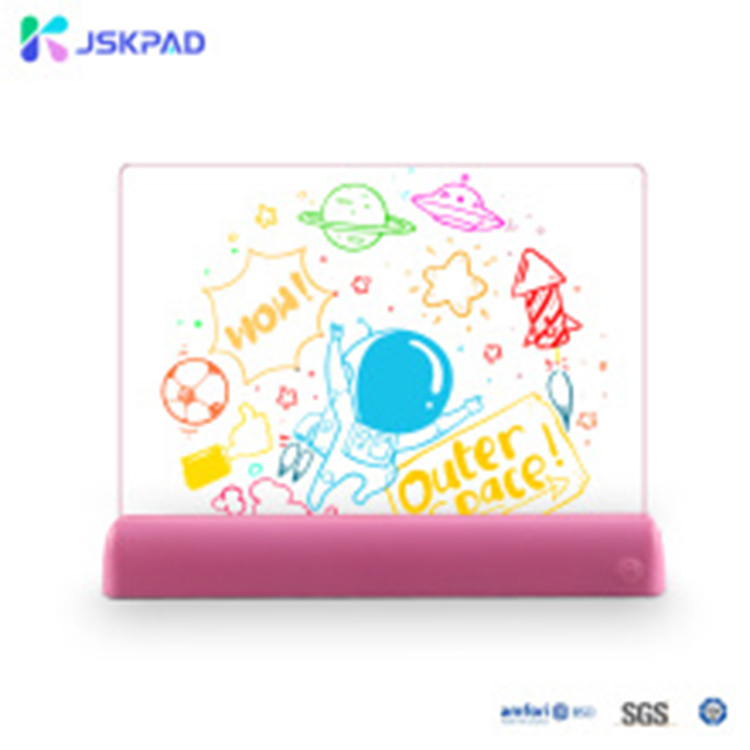
1. Overview of RGB Drawing Boards
An RGB Drawing Board is an electronic tablet or board equipped with a digital screen and stylus. It allows artists to create artwork directly on the board, with colors, textures, and layers digitally applied. RGB refers to the red, green, and blue color spectrum, which enables precise color mixing and high-resolution display.
Key features of an RGB drawing board include:
-
Vibrant Color Representation: Artists can access millions of colors and gradients.
-
Pressure Sensitivity: The stylus responds to pressure, simulating traditional brush strokes or pencil marks.
-
Layering and Editing: Digital layers allow for non-destructive editing and easy adjustments.
-
Portability and Integration: Many boards are lightweight and can connect to computers or software for seamless workflow.
2. Traditional Drawing Tools Overview
Traditional drawing tools refer to conventional materials such as pencils, pens, markers, watercolors, acrylics, and oils. These tools have been used for centuries and offer a tactile and sensory experience that digital tools cannot fully replicate. Key advantages of traditional tools include:
-
Physical Texture and Feel: The interaction between hand, paper, and medium produces unique textures.
-
Direct Physical Creation: Artists can physically manipulate materials to create effects like layering paint, blending pencil strokes, or creating embossed textures.
-
Timeless Artistic Value: Traditional artworks often hold intrinsic value as tangible, original pieces.
3. Precision and Control
One of the most significant differences between RGB drawing boards and traditional tools lies in precision and control:
-
RGB Drawing Boards: Offer precise control over every stroke, with the ability to undo, erase, or modify without damaging the artwork. Features like zoom, grid lines, and digital rulers allow for meticulous detailing, making complex designs easier to execute.
-
Traditional Tools: Precision depends entirely on the artist’s skill and hand control. Mistakes may be difficult or impossible to correct, which can add to the artwork's character but may also limit experimentation.
Using a Drawing Board can accelerate the learning process for beginners by reducing frustration and allowing trial-and-error experimentation without wasting materials.
4. Color Range and Flexibility
-
RGB Drawing Boards: Provide virtually unlimited color palettes and the ability to adjust hue, saturation, and brightness instantly. Digital tools also allow the blending of colors without the need for mixing paints physically.
-
Traditional Tools: Artists are limited to the physical colors they own. Mixing paints or layering colored pencils can be time-consuming and less precise. However, traditional media often produce organic and subtle color variations that digital tools may struggle to replicate naturally.
5. Portability and Convenience
-
RGB Drawing Boards: Highly portable and integrate easily with other digital devices. Artists can save multiple versions, share work online, and switch between projects quickly. This convenience is especially beneficial for freelancers, illustrators, and students.
-
Traditional Tools: Require carrying separate materials like pencils, brushes, paints, and sketchbooks. Cleanup and storage take extra effort, and physical space is needed for working and storing artworks.
6. Creative Freedom and Experimentation
-
RGB Drawing Boards: Enable experimentation with minimal risk. Artists can test different brushes, textures, and effects digitally before finalizing the piece. Undo and redo functions reduce the fear of making mistakes, encouraging bold and creative approaches.
-
Traditional Tools: While they may be less forgiving, traditional tools often push artists to plan carefully and develop technical skill. The tactile feedback and physical constraints can inspire creativity in unique ways.
7. Time Efficiency
Digital Drawing Boards generally allow for faster creation and editing:
-
Artists can duplicate elements, apply filters, and adjust layers in seconds.
-
Sharing and collaboration are simplified with digital files.
-
Printing and reproducing artwork is straightforward.
Traditional methods may take longer due to the physical process of layering, drying, and correcting mistakes. However, some artists value the slower, meditative process for developing depth and texture.
8. Longevity and Preservation
-
RGB Drawing Boards: Digital files can be stored indefinitely without degradation. Multiple copies can be backed up, ensuring the artwork is never lost.
-
Traditional Tools: Physical artworks may fade, tear, or degrade over time. Proper storage and handling are essential to preserve the quality.
9. Cost Considerations
-
RGB Drawing Boards: Initial investment can be high, depending on the brand, size, and features of the board. However, ongoing costs are low since there is no need to buy new materials repeatedly.
-
Traditional Tools: Lower initial cost, but supplies like paper, paint, and brushes need continuous replenishment. For long-term use, costs may accumulate significantly.
10. Learning Curve and Skill Development
-
RGB Drawing Boards: May be more intuitive for beginners due to built-in guides, tutorials, and undo features.
-
Traditional Tools: Require mastering manual techniques, which can enhance foundational artistic skills and hand-eye coordination.
Many professional artists find value in combining both approaches, using digital Drawing Boards for drafts and experimentation, and traditional tools for final pieces with unique tactile quality.
Both RGB drawing boards and traditional drawing tools have unique advantages and limitations. RGB Drawing Boards provide versatility, precision, unlimited color options, and convenience, making them ideal for digital artists, designers, and students seeking efficiency and creative freedom. Traditional tools, however, offer tactile experience, organic textures, and the timeless value of original, physical artwork.